National History Day is not just a day, but an everyday learning experience. The National History Day program is a year-long education program that culminates in a national contest every June. NHD is a year-long education program that engages students in grades 6-12 in the process of discovery and interpretation of historical topics. Students produce dramatic performances, imaginative exhibits, multimedia documentaries and research papers based on research related to an annual theme. These projects are then evaluated at local, state, and national competitions.
This quarterly, refereed, scholarly journal presents basic research on home- and family-based education in areas such as socialization, academic achievement, history, and law. This unique periodical keeps home educators, researchers, and others abreast of the most current factual and theoretical research information available on home education.
SchoolExpress features over 17,000 free worksheets, weekly activity pages, online games, and eWorkbooks.
The National Endowment for the Arts and the Poetry Foundation have partnered with U.S. state arts agencies to support Poetry Out Loud, a contest that encourages the nation's youth to learn about great poetry through memorization and recitation. This program helps students master public speaking skills, build self-confidence, and learn about their literary heritage.
This list is an opportunity for homeschoolers to contact homeschooling attorneys and experts about homeschooling legal and litigation issues. It is an informal network of attorneys and legal experts that are concerned with litigation pending and threatened against homeschoolers. Its primary purpose is to exchange legal information within the profession, and to educate and support attorneys and experts involved in homeschool litigation.
 Homeschooling on the Road: A Call to Adventure
 Homeschooling on the Road: A Practical Guide for Families Living and Learning in...
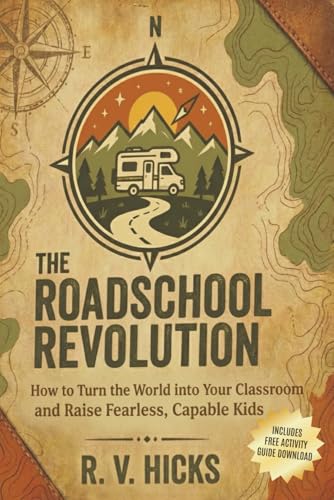
 THE ROADSCHOOL REVOLUTION: How to Turn the World into Your Classroom and Raise F...
 Writing Road to Reading 6th Rev Ed.: The Spalding Method for Teaching Speech, Sp...
 Roadschool Curriculum: For One Student | Homeschooling On The Road | 2019-2020 R...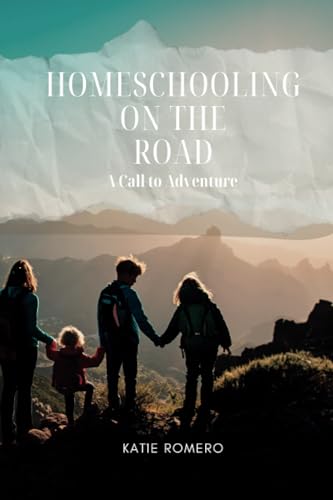



 The International Homeschooler: A Complete Guide to Homeschooling Abroad with Co...
 Worldschooling Starter Kit: A Practical Guide for Parents Who Want to Travel and...
 24 Pack Colored Legal Pads 8.5 x 11 Wide Ruled Note Pads 8.5 x 11 Notepads with ...